


BIX ARTICLE
RBA will be ‘better prepared’ to respond to next crisis
Jun 30, 2026
|
3 min read
Featured Posts
Social Bonds Illustrative Use-Of-Proceeds Case Studies Coronavirus
Jul 06, 2020
|
2 min read
Sustainable Banking Network (SBN) Creating Green Bond Markets
Jul 06, 2020
|
2 min read
Why is Inflation Making a Big Comeback After Being Absent for Decades in the U.S.?
Mar 24, 2022
|
7 min read
SC issues Corporate Governance Strategic Priorities 2021-2023
Mar 29, 2022
|
3 min read
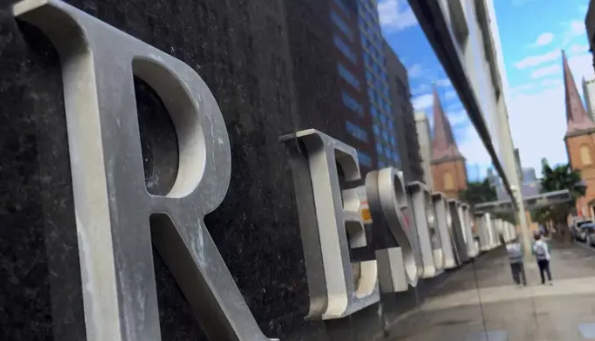
— Reuters
Canberra: Australian central bank assistant governor Chris Kent said the institution will be better prepared to respond to the next crisis it faces following a review of alternative monetary policy tools.
“The cash rate target remains our primary and preferred instrument,” Kent, who oversees financial markets at the Reserve Bank of Australia (RBA), said yesterday,
“Additional tools can play an important role during extraordinary times and provide some extra support, but they are more complex and carry greater risks.”
During the pandemic, the RBA cut its cash rate to 0.1% and implemented a yield target, together with a bond-buying programme.
Then-governor Philip Lowe also provided time-based forward guidance that created difficulties when inflation surged after the end of Covid.
Kent was speaking about the Monetary Policy Board’s new Framework for Additional Monetary Policy Tools at low interest rates published alongside his speech.
He highlighted when rates are already low, the board may have less tolerance for inflation falling below the 2% to 3% target.
“In those circumstances, it may consider responding earlier and more decisively to disinflationary shocks by pre-emptively lowering the cash rate target,” he said.
“In short, the most important support during the pandemic came from lowering the cash rate to historically low levels and keeping it there,” Kent said.
“Additional tools can reinforce that support, but their effects – beyond addressing severe market strains – are likely to be more marginal and their risks need to be managed carefully.”
Asked how frequently the tools might be used, given developed central banks tend to cut rates by about 400 basis points during a recession and the neutral rate is around 3.6%, Kent reiterated that the RBA might need to bring in additional support from its policy toolkit.
The RBA slipped into negative equity following its quantitative easing programme during the pandemic and as a result, has been unable to pay the government a dividend.
Kent was asked whether the government could provide more support to cover losses from bond purchases in times of crisis.
The assistant governor said the RBA opted against doing so last time to ensure its independence and to be seen by the market as being “at arm’s length” from the government by purchasing in the secondary market. — Bloomberg
Disclaimer
The information provided in this report is of a general nature and has been prepared for information purposes only. It is not intended to constitute research or as advice for any investor. The information in this report is not and should not be construed or considered as an offer, recommendation or solicitation for investments. Investors are advised to make their own independent evaluation of the information contained in this report, consider their own individual investment objectives, financial situation and particular needs and should seek appropriate personalised financial advice from a qualified professional to suit individual circumstances and risk profile. The information contained in this report is prepared from data believed to be correct and reliable at the time of issuance of this report. While every effort is made to ensure the information is up-to-date and correct, Bond and Sukuk Information Platform Sdn Bhd (“the Company”) does not make any guarantee, representation or warranty, express or implied, as to the adequacy, accuracy, completeness, reliability or fairness of any such information contained in this report and accordingly, neither the Company nor any of its affiliates nor its related persons shall not be liable in any manner whatsoever for any consequences (including but not limited to any direct, indirect or consequential losses, loss of profits and damages) of any reliance thereon or usage thereof.
YOU MAY ALSO LIKE

ARTICLE
Oct 21, 2026
|
3 min read
ARTICLE
Oct 19, 2026
|
6 min read
ARTICLE
Oct 18, 2026
|
5 min read
ARTICLE
Oct 16, 2026
|
5 min read